

Words of advice: Five things every young designer should know
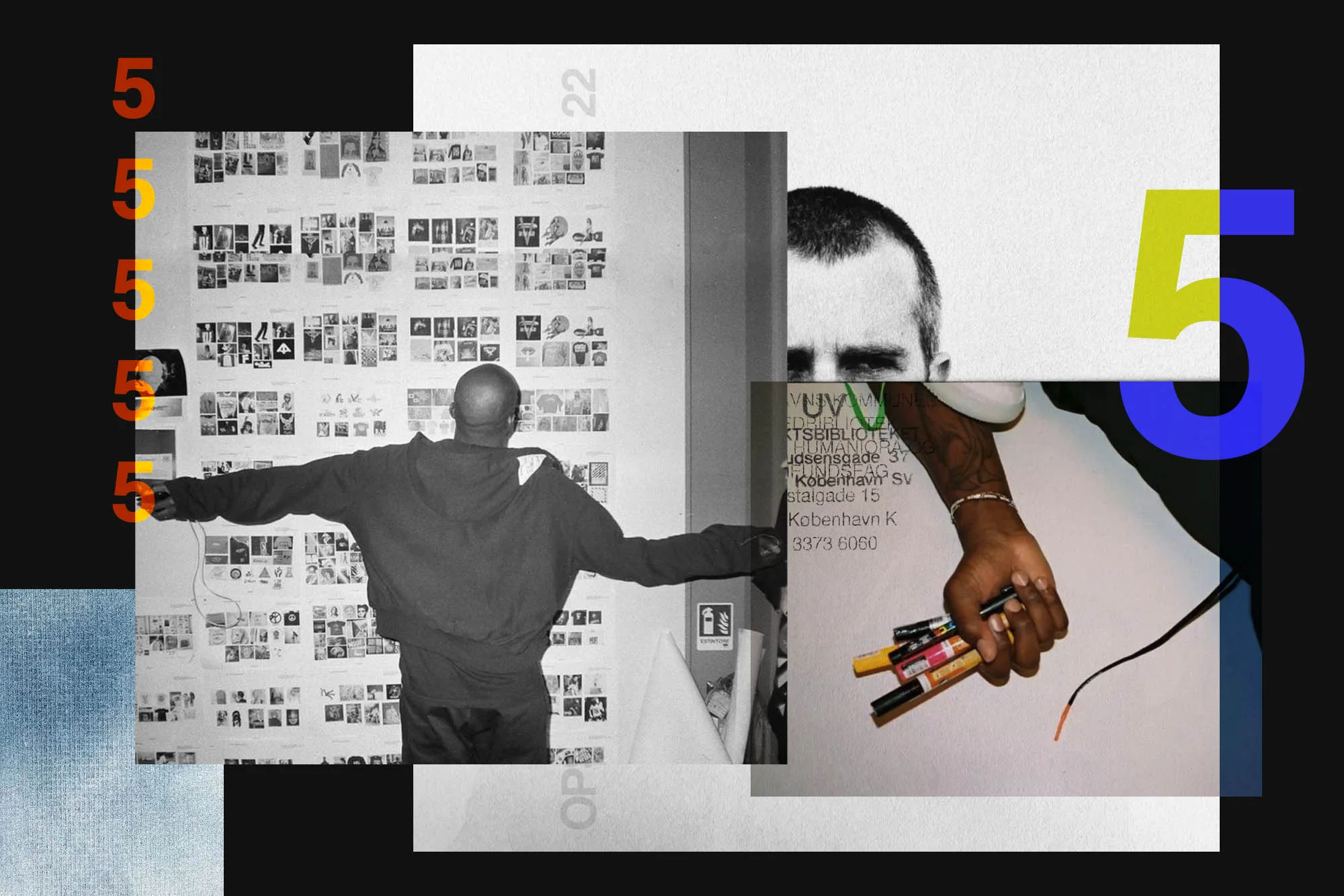
Being a professional designer is about more than just being good at design. There’s a whole other side to working in the creative industry that takes just as much time, patience and experience to understand. These are just a few points I wish a mentor had guided me through as a young adult trying to find my footing in the world.
- Connect with as many people as you can.
This may seem obvious, but connecting with people and expanding your network is a basic part of being a professional in the services field — especially as a freelancer. Get comfortable talking about yourself and your work with others; practice if you have to. Personally, I don’t like talking about myself. If you’re also like me, speak to people in a way that makes them feel valued. Make yourself a fan of them. Once you hear their story, you will get the confidence to talk about yourself. Don’t think of other designers, photographers, videographers and marketers as your rivals. They may be competitors and friends — but they are also peers. Even if you may not get along with them, you should respect them enough to converse. A positive creative community is a rich creative community.
- Discipline, humility and sacrifice is how you get better at your job.
When I was 17 years old, I left college and threw myself into the design world. I had dreams of building the best creative practice in the world (and I still do, that has not changed). There are just some things that you learn as you grow older, things you understand with experience; even your taste matures over time. You think so much of yourself at that young age, and you should be as delusional as possible. The higher you aim the higher you rise, but don’t let your mind misguide you. Discipline is creating something every single day, even when you feel as if you’re not able to. Creating is the core of being a designer no matter what field of design you’re in, it should be second nature to you. Humility is obvious and important. You should not think of yourself as more able than others; you don’t know more than anyone else your age, and no one your age knows more than you. If you want to be at the top of your game you should be prioritising feedback. There is no point in celebrating a win that you know is a win, but every loss is something precious. It’s something you can learn from and develop. I have never considered making a mistake as a negative — in fact I’ve obsessively thought about them and planned ways I can overcome them in any new project. Sacrifice is simple: there are no worldly possessions that should come between you and your expression.
- Trust your gut, if something doesn’t feel right or if you’re unsure — don’t do it.
If you’re on a project and the direction you’re taking doesn’t feel or look right — then it probably means it’s not right. Start again. I have had so many situations where I’ve felt like my design just wasn’t flowing with the project. If you’re in a situation where you feel as if a certain section of the project isn’t as good as another, then you can do one of two things. Communicate how you feel about it to the client or not present it at all. As a young professional, you need to make that choice. When you’re in a project where one deliverable has multiple options, you only need to present the options that you are comfortable with delivering. If the project requires you to deliver multiple products and you are unsure about one of the products, you shouldn’t feel as if you need to submit everything straight away. Be clear about the situation with your client. If they allow you, revisit that product in a few days with a fresh mind and a new approach.
- Never let your clients bully you into something, but always keep their best interests at heart.
There will definitely come a time when your client will want you to do something that you can’t do. It definitely won’t be the only time either. There are countless stories online of how freelancers have been done over. Some of these stories are financial, some of them relate to recognition, and some of them are just personal disagreements. You need to protect yourself by communicating your boundaries and terms before any project. Once everything is agreed, write it down and sign it. If an issue arises outside the scope of the agreement, you have the free will to say no. Not everyone will be the perfect client, but you need to have the interpersonal skills to resolve the situation. Talk it out, have that heated conversation, and maybe you will come to an understanding. It’s always better to find a resolution. If not, then you have done all you can, and there’s nothing more to do than move on.
- If a project or deal falls through, it’s not your fault.
I once had my marketing director tell me this after I decided not to go through with a project. That project was shaping up to be a goldmine, but once my business partner and I left, it just crashed and burned. I felt responsible for it. If something falls through, it’s not your fault. Don’t take it personally. Hundreds of deals fall through every single day, you just need to keep that momentum going until you find something bigger. The worst thing you can do is let the emotion consume you. Of course you should grieve it, but don’t settle. Keep moving. Keep running. Keep on chasing something more.
There isn’t a perfect formula for making it. Everyone's journey is different, and talent can only take you so far. The rest comes down to how you conduct yourself, the relationships you build, and the attitude you bring to your work. You don’t need to be the best, you don't even need to have everything figured out. You just need to be willing to learn, put yourself in uncomfortable situations and take your work seriously. Ultimately, the best thing to do is to focus on yourself, make your own mistakes and enjoy the game.